Landscaping
Plants, grass, beds, trees, irrigation, specialty species, and downspout discharge areas are reviewed.

Effective roof cleaning requires controlled application, active monitoring, runoff planning, and a property-specific protection process. The treatment and precautions are selected around your roof and the surrounding areas.
The protection plan changes with the roof, treatment, landscaping, drainage, siding, hardscapes, pools, ponds, and other sensitive features.
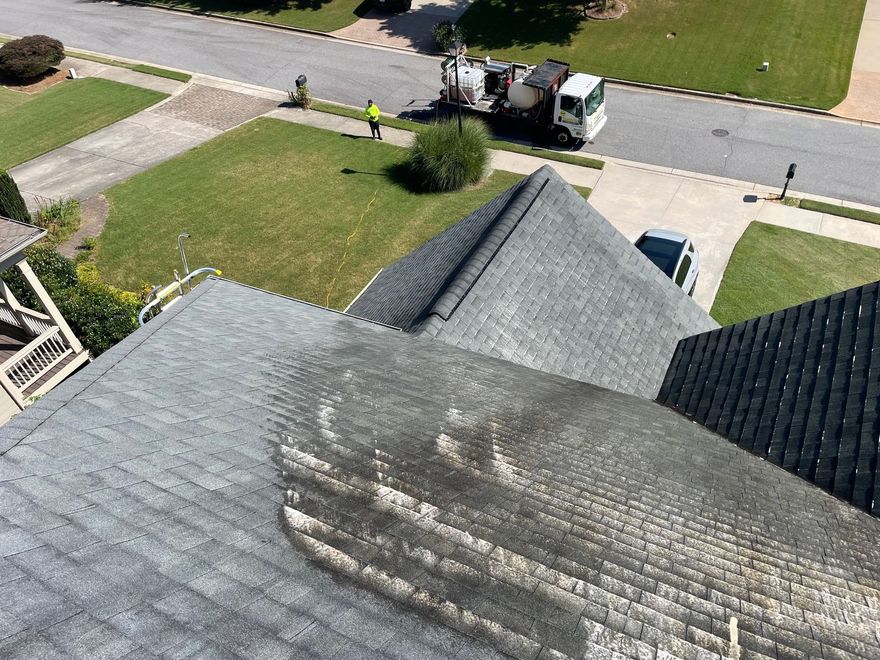 Residential Property
Plants, grass, beds, trees, irrigation, specialty species, and downspout discharge areas are reviewed.
Siding, windows, doors, paint, trim, metal, and exterior fixtures may need controlled rinsing or shielding.
Walkways, patios, decks, driveways, furniture, vehicles, and pedestrian areas affect setup.
Gutters, downspouts, drains, pools, ponds, and site runoff influence the protection plan.
Identify landscaping, exterior finishes, downspouts, drains, water features, walkways, vehicles, and sensitive areas.
Water selected plants, grass, and beds before treatment as appropriate to the product and property.
Watch landscaping, runoff, hoses, work zones, wind, and changing site conditions while treatment is applied.
Cover or isolate selected plants, equipment, finishes, or features when the service plan calls for it.
Apply approved neutralizing products in designated areas when supported by the operating procedure.
Plan where roof runoff travels and how it reaches landscaping, drains, hardscapes, or sensitive areas.
Rinse landscaping, siding, gutters, walkways, and surrounding surfaces according to the product and project.
Inspect the work area from roofline to ground, remove temporary protection, and address visible cleanup concerns.
Sodium-hypochlorite-based treatment requires disciplined preparation and monitoring around plants, finishes, hardscapes, and discharge areas.
A bleach-free product is not automatically harmless, universally compatible, or preparation-free.
Suitable asphalt shingles should be treated at low pressure without blasting granules or forcing water beneath courses.
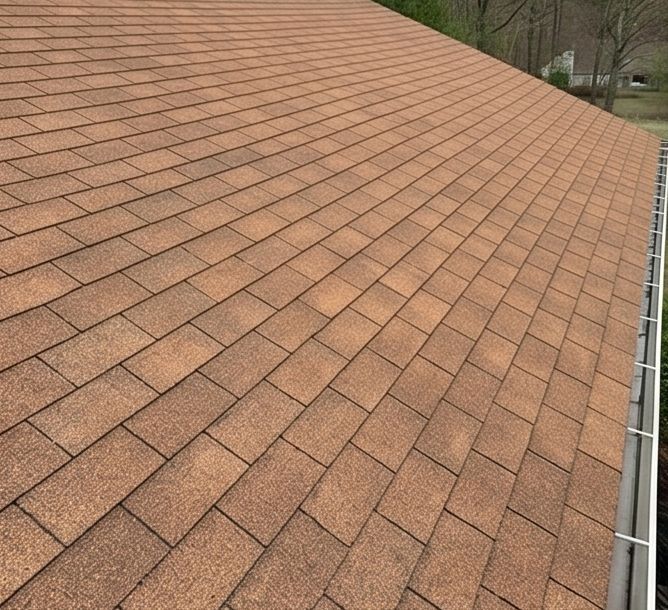 Asphalt Shingle Roof
Product, dwell, agitation, rinsing, and test areas should account for painted, coated, or bare metal and current finish condition.
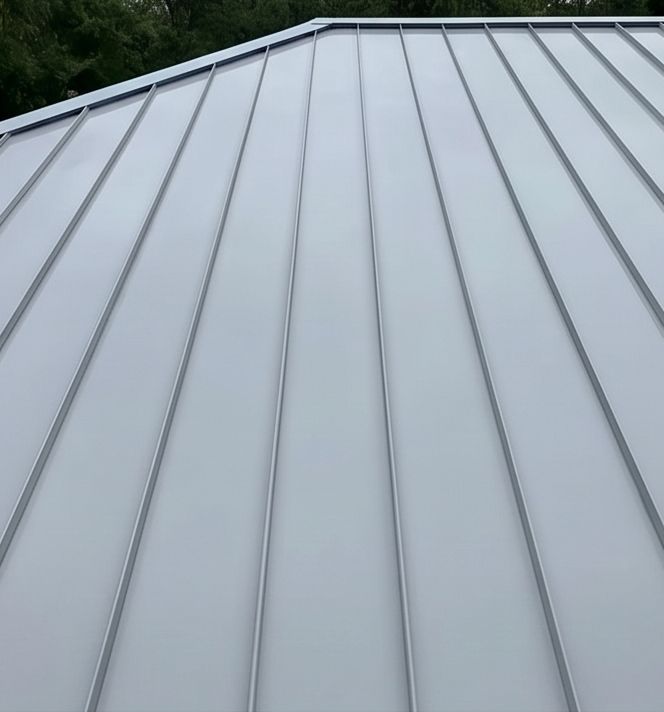 Metal Roof
Fragility, natural weathering, coatings, prior repairs, and material condition determine whether and how cleaning should proceed.
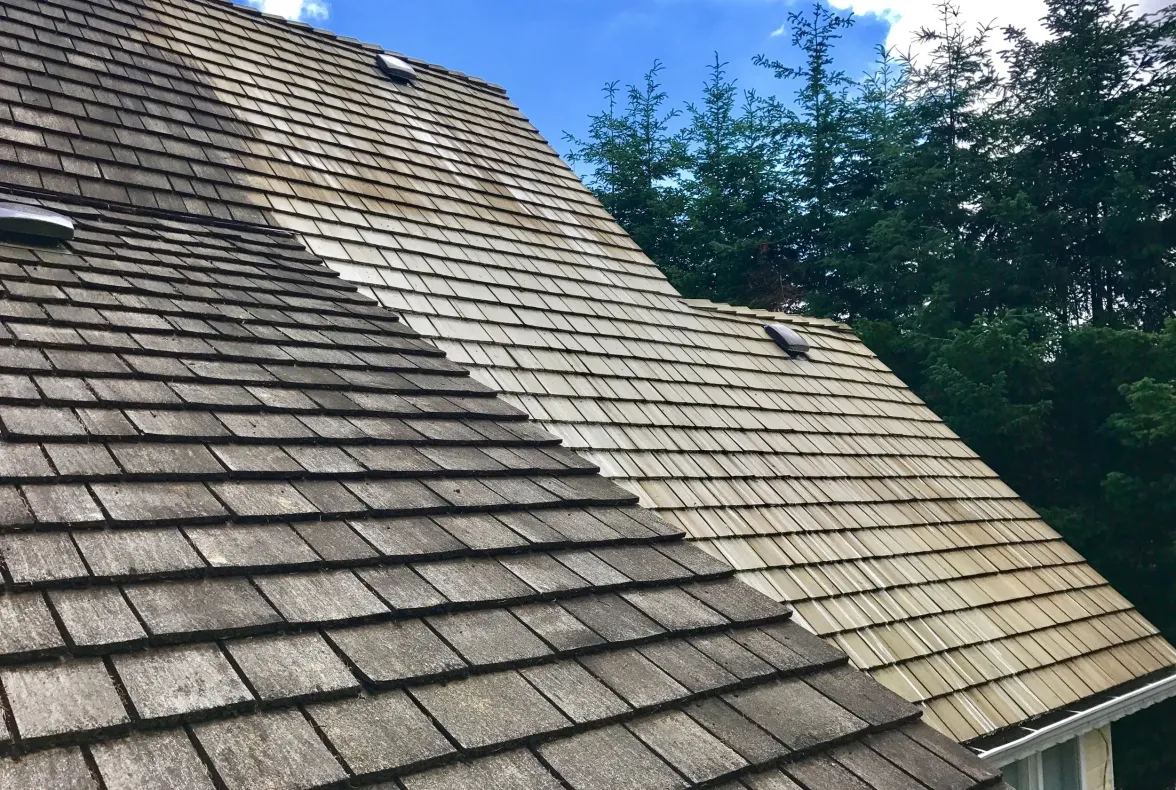 Cedar Shake Roof
TPO, PVC, and EPDM cleaning must consider membrane condition, patches, penetrations, equipment, drainage, traffic, and facility rules.
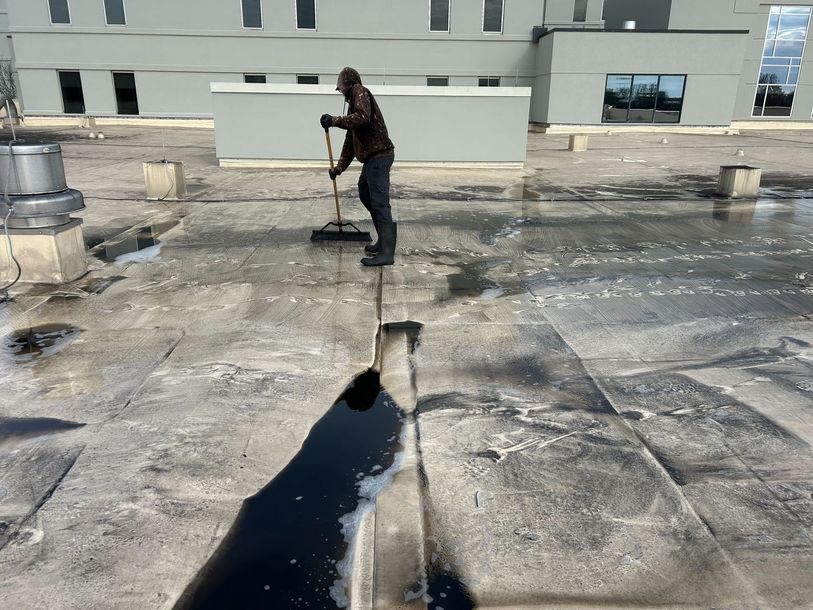 Commercial Membrane Roof
Coordinate landscaping, siding, walkways, vehicles, pets, gates, pools, and homeowner access.
Create consistent resident instructions while adapting for different roof and landscaping conditions.
Plan around tenants, parking, pedestrians, buildings, landscaping, balconies, and communication.
Coordinate drains, equipment, entrances, operations, vehicles, site safety, discharge areas, and closeout.
The written scope should identify the controls appropriate to the product and property.
The cleaning scope does not automatically cover pre-existing damage or unrelated property work.
The plan may include pre-wetting, continuous monitoring, controlled runoff, shielding, selected neutralizing procedures, and post-treatment rinsing.
Any product can create risk if it is misapplied or unmanaged. That is why property preparation and ground monitoring are part of professional cleaning.
Not necessarily. Covering every plant can trap heat or create other problems. The crew selects pre-wetting, rinsing, shielding, or other controls based on the property.
Discharge locations are reviewed so runoff can be diluted, redirected, monitored, captured, or otherwise managed as the property and procedure require.
Bleach-free does not mean risk-free for plants. Product instructions, exposure, compatibility, and site preparation still matter. Tell us about delicate or valuable landscaping so the team can plan suitable precautions.
Those surfaces are included in the roofline-to-ground review and may be rinsed or protected according to the project.
Identify those features before the quote is finalized so the treatment, access, runoff, and protection plan can be reviewed.
Pre-service photographs or notes may be used when included in the operating process or written scope.
Provide the address and identify landscaping, pools, ponds, specialty surfaces, drainage concerns, or sensitive areas before the method is confirmed.