
Specialty Residential Roofs

Slate, Barrel Tile & Wood Shake Roof Cleaning

Premium roof materials cannot be treated with one generic formula. Age, fragility, surface finish, fasteners, access, growth, and surrounding landscaping all affect whether cleaning is appropriate and how the work should be performed.

Specialty roofs usually require a property-specific review before the cleaning method and result timeline can be confirmed.

Material-Specific Review
Limited Roof Traffic
Clear Result Expectations
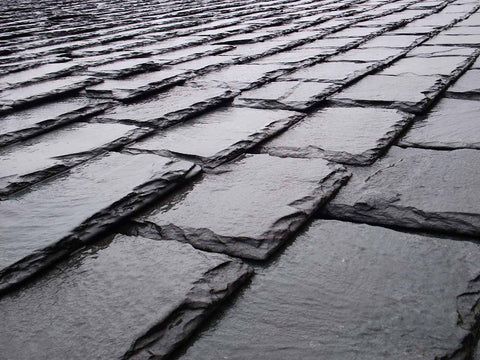
Close-up of dark slate roof tiles with textured edges
Choose the Material

Three Roof Types. Three Different Cleaning Decisions.

Use the tabs to see what is considered before treatment is recommended.

Natural Stone

Slate Roof Cleaning

Slate can crack under improper foot traffic and may have aged flashings, fasteners, repairs, or mixed replacement pieces. Cleaning begins with an access and serviceability review—not an assumption that the roof can be walked or treated like shingles.

  • Organic staining, moss, and lichen
  • Conservative access planning
  • Gradual release may be expected
  • Roofing defects remain separate from cleaning
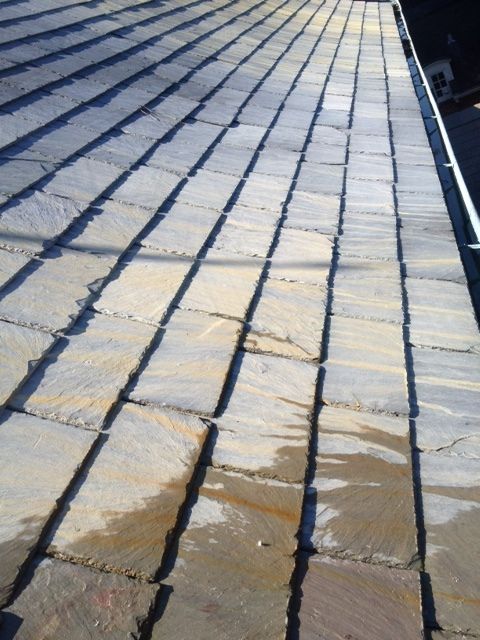
Rows of slate roof tiles with varied gray and tan coloring
Curved Profiles

Barrel Tile Roof Cleaning

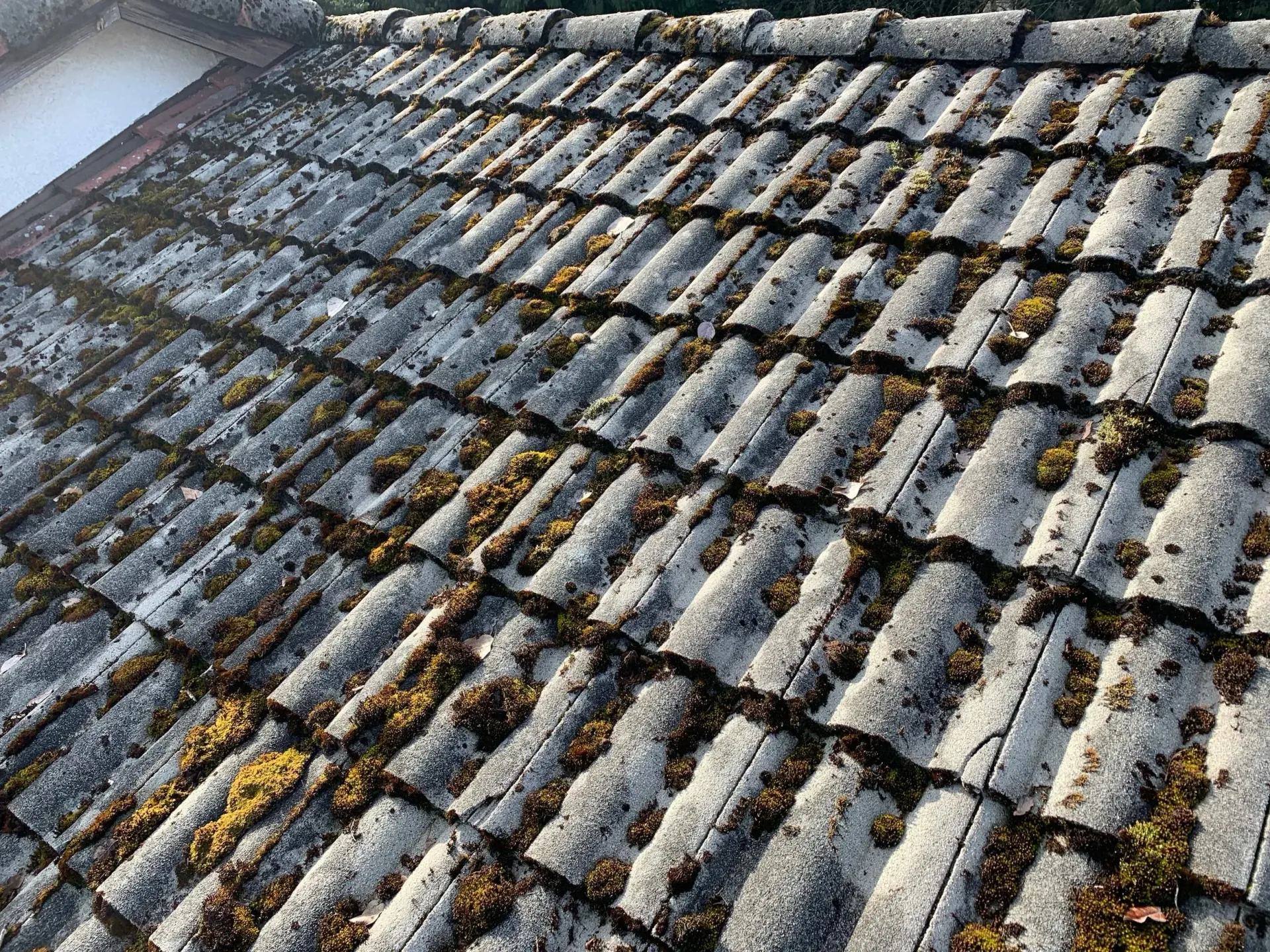
Clay and concrete barrel tiles have curved profiles, overlaps, ridges, valleys, and drainage channels that can collect dirt and growth. Cracked, loose, or previously repaired tiles should be identified before the cleaning path is finalized.

  • Clay or concrete material review
  • Controlled treatment around overlaps
  • No promise of same-day lichen release
  • No repair or underlayment diagnosis
Curved roof tiles with patches of moss and surface discoloration
Naturally Weathered

Wood Shake Roof Cleaning

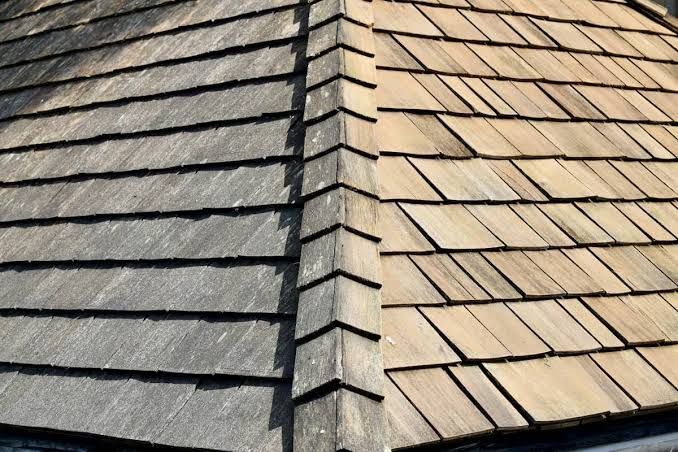
Wood condition, age, splitting, cupping, coatings, prior treatments, and moisture response matter. Some roofs should be cleaned conservatively, some require a modified plan, and some should be referred to a roofing specialist first.

  • Condition and coating review
  • Careful debris removal
  • Wood-appropriate treatment only
  • Natural weathering is not a removable stain
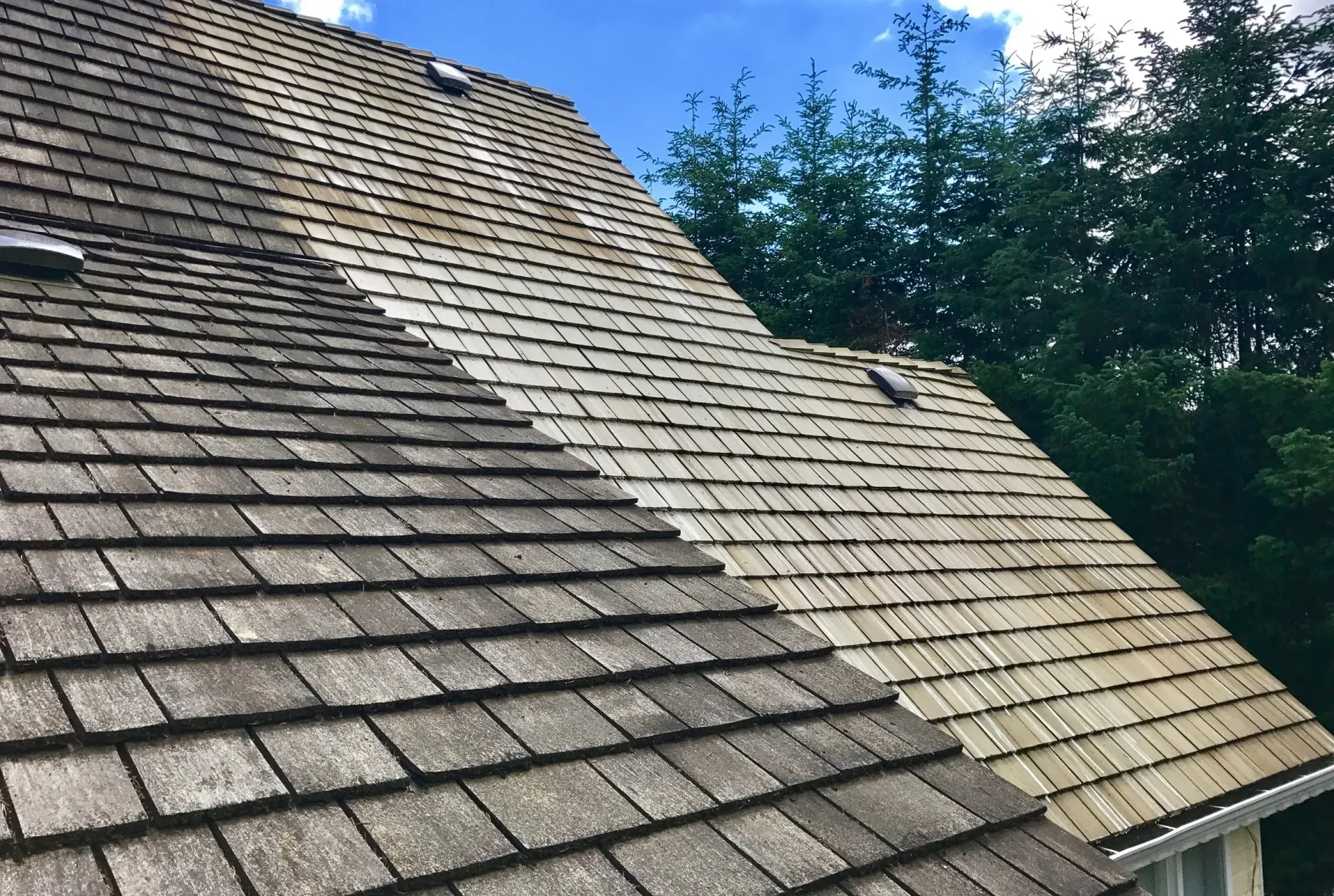
Wood shake roof with darker gray and lighter tan sections
Clean, Modify, or Refer

The Roof Condition Determines the Next Step

The right answer is not always to clean immediately. Specialty materials can be fragile, aged, previously coated, or mixed with repairs that react differently to treatment.

Peak separates visible surface buildup from cracked materials, failed flashings, open joints, deteriorated coatings, and other roofing concerns that cleaning will not solve.

  • Proceed with cleaning when the material and access appear serviceable for the selected method.
  • Modify the cleaning plan when fragile areas, coatings, landscaping, or gradual-result products require extra controls.
  • Address roofing problems first when the roof has obvious damage or conditions that make cleaning inappropriate.
Peak performs a pre-cleaning condition check. It is not a structural, warranty, or formal roofing inspection.
Wood shake roof with uneven gray and tan coloring beside trees
Material-Specific Process

How Specialty Roof Cleaning Is Planned

1

Material and Access Review

Identify the roof material, visible condition, fragility, prior coatings, access points, and areas that should not be walked.

2

Debris and Property Preparation

Remove accessible loose debris and prepare landscaping, siding, walkways, downspouts, and sensitive areas.

3

Controlled Treatment

Select a roof-appropriate treatment and application plan rather than forcing a standard shingle formula onto every surface.

4

Final Review and Timeline

Document the immediate appearance and explain any gradual moss, lichen, or treatment result that remains.

Cleaning vs. Roofing Work

What Cleaning May Improve—and What It Cannot Fix

Surface Cleaning

Organic Growth and Visible Buildup

A roof-specific cleaning plan may address algae, moss, lichen, dirt, pollen, and loose organic debris.

  • Dark or green growth
  • Surface dirt and tree residue
  • Moss and lichen treatment
  • Uneven visible buildup
Not Included

Damage, Deterioration, and Repairs

Cleaning does not repair the roof or restore permanently changed materials.

  • Cracked slate or tile
  • Split, curled, or deteriorated wood
  • Failed flashing or sealant
  • Leaks or hidden moisture
  • Permanent fading and coating failure
Project-Specific Pricing

What Affects Specialty Roof Cleaning Cost?

These roofs are priced around material, access, fragility, growth, protection, and the selected treatment.

01

Material and Finish

Slate, clay tile, concrete tile, and wood shake do not use one identical process.

02

Condition and Fragility

Aged, cracked, repaired, coated, or mixed materials require more review and control.

03

Pitch and Height

Steep slopes, multiple levels, limited access, and fragile walk paths affect the plan.

04

Growth Type

Black algae, moss, lichen, and heavy debris can require different timing and expectations.

05

Roof Details

Ridges, valleys, overlaps, transitions, and drainage areas add detailed work.

06

Property Protection

Mature landscaping, pools, runoff, hardscapes, and sensitive surfaces affect preparation.

Specialty Roof FAQs

Questions About Slate, Tile, and Wood

Can slate, barrel tile, and wood shake all be soft washed?

Not with one universal formula. The roof material, finish, age, condition, access, and product instructions determine whether low-pressure cleaning is appropriate.

Do you use high pressure on specialty roofs?

Peak does not treat specialty materials like concrete. Application and rinsing are controlled for the roof and the selected process.

Can every specialty roof be cleaned?

No. Some roofs are too fragile, damaged, deteriorated, or poorly accessible for the proposed cleaning scope. Roofing concerns may need to be handled first.

Will moss and lichen disappear immediately?

Not always. Attached growth may remain visible after treatment and release gradually. Timing depends on the material, growth, cleaning method, and weather.

Will cleaning restore the original color?

Cleaning cannot reverse natural weathering, fading, oxidation, coating deterioration, mineral variation, or mismatched repairs.

Does roof cleaning repair damaged materials?

No. Cracked slate or tile, deteriorated shakes, flashing problems, leaks, and structural concerns require a roofing professional.

How is the appropriate method selected?

Peak reviews the material, visible growth, condition, access, property layout, manufacturer or product guidance, and expected result timeline.

Start With the Roof Material, Not a Generic Wash

Submit the property address and roof information. Peak will review the material, condition, access, visible growth, and surrounding property before confirming whether and how the roof should be cleaned.

Request a Roof Cleaning Quote